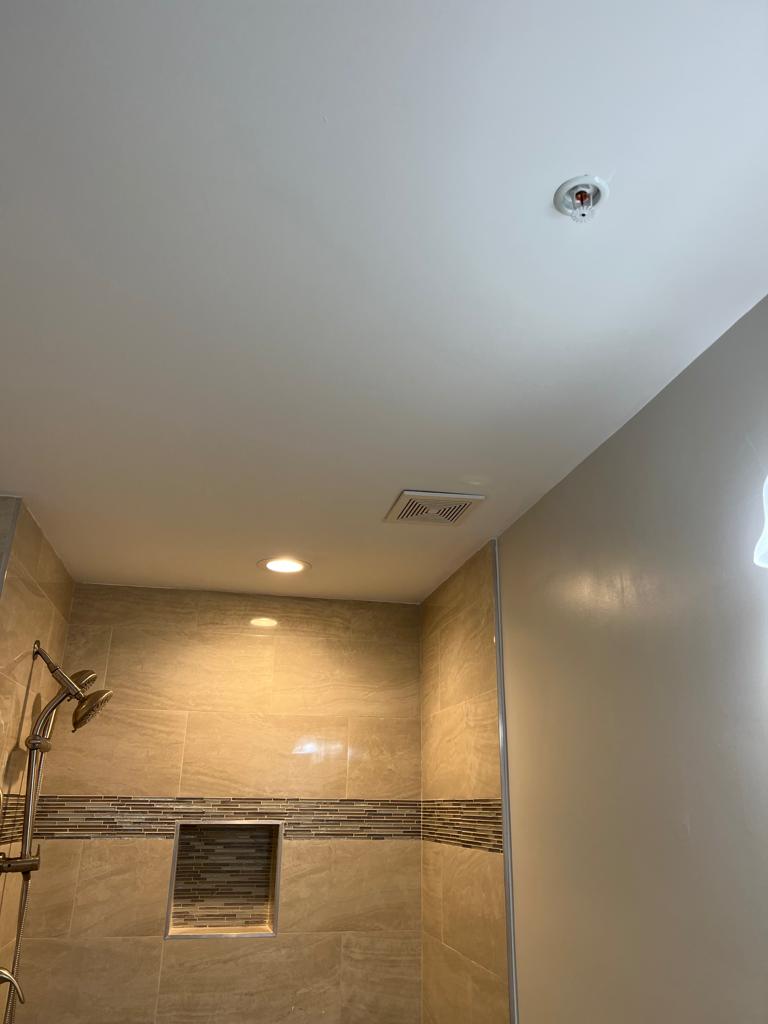
Understanding Recessed Lighting: Pros and Cons
Recessed lighting has gained immense popularity in home design due to its sleek and unobtrusive nature. This article explores the pros and cons of recessed lighting to help you make an informed decision for your home.
What is Recessed Lighting?
Recessed lighting, also known as can lighting or pot lighting, involves installing light fixtures into the ceiling, creating a clean and modern look. These fixtures are typically used to provide ambient lighting or highlight specific areas of a room.
Advantages of Recessed Lighting
- Space-saving design
- Versatile lighting options
- Modern aesthetic appeal
- Reduced glare
- Easy to integrate with smart home systems
Space-saving Design
Recessed lighting is perfect for areas with low ceilings or limited wall space. Unlike traditional light fixtures, recessed lights take up no additional space, allowing you to maximize the use of your room.
Versatile Lighting Options
With a variety of bulb types available, including LED and halogen, recessed lighting can be adjusted to create different atmospheres. Whether you want bright lighting for workspaces or soft lighting for relaxation, recessed fixtures can accommodate your needs.
Modern Aesthetic Appeal
Recessed lighting contributes to a clean and contemporary look in any space. It can enhance the overall design of your home, making it more inviting and stylish.
Disadvantages of Recessed Lighting
- Complex installation
- Potential for uneven lighting
- Heat issues with certain bulbs
- Higher upfront cost
- Limited adjustability
Complex Installation
Installing recessed lighting can be more complex than traditional fixtures. It often requires cutting into the ceiling and ensuring proper electrical connections, which may necessitate hiring a professional.
Potential for Uneven Lighting
If not installed correctly, recessed lighting can lead to uneven light distribution. This can create dark spots and diminish the overall effectiveness of your lighting scheme.
Heat Issues with Certain Bulbs
Some types of bulbs, particularly incandescent ones, can generate significant heat, which may lead to safety concerns or damage to insulation. It is essential to choose energy-efficient bulbs to mitigate this issue.
Higher Upfront Cost
The initial investment for recessed lighting can be higher than traditional fixtures due to installation costs and the price of the fixtures themselves. However, this can be offset by energy savings over time.
Limited Adjustability
Once installed, recessed lights can be difficult to adjust. Unlike track lighting, which can be repositioned, the placement of recessed fixtures is usually fixed.
Choosing the Right Recessed Lighting for Your Home
When considering recessed lighting for your home, keep the following factors in mind:
- Room purpose and layout
- Ceiling height
- Type of bulbs (LED vs. incandescent)
- Color temperature preference
- Dimming capabilities
Conclusion
Recessed lighting can be an excellent choice for modern home design, offering a range of benefits including aesthetic appeal and versatility. However, it is essential to weigh the pros and cons carefully to ensure it meets your specific needs. By taking into account factors such as installation complexity and lighting needs, you can make an informed decision that enhances your living space.